
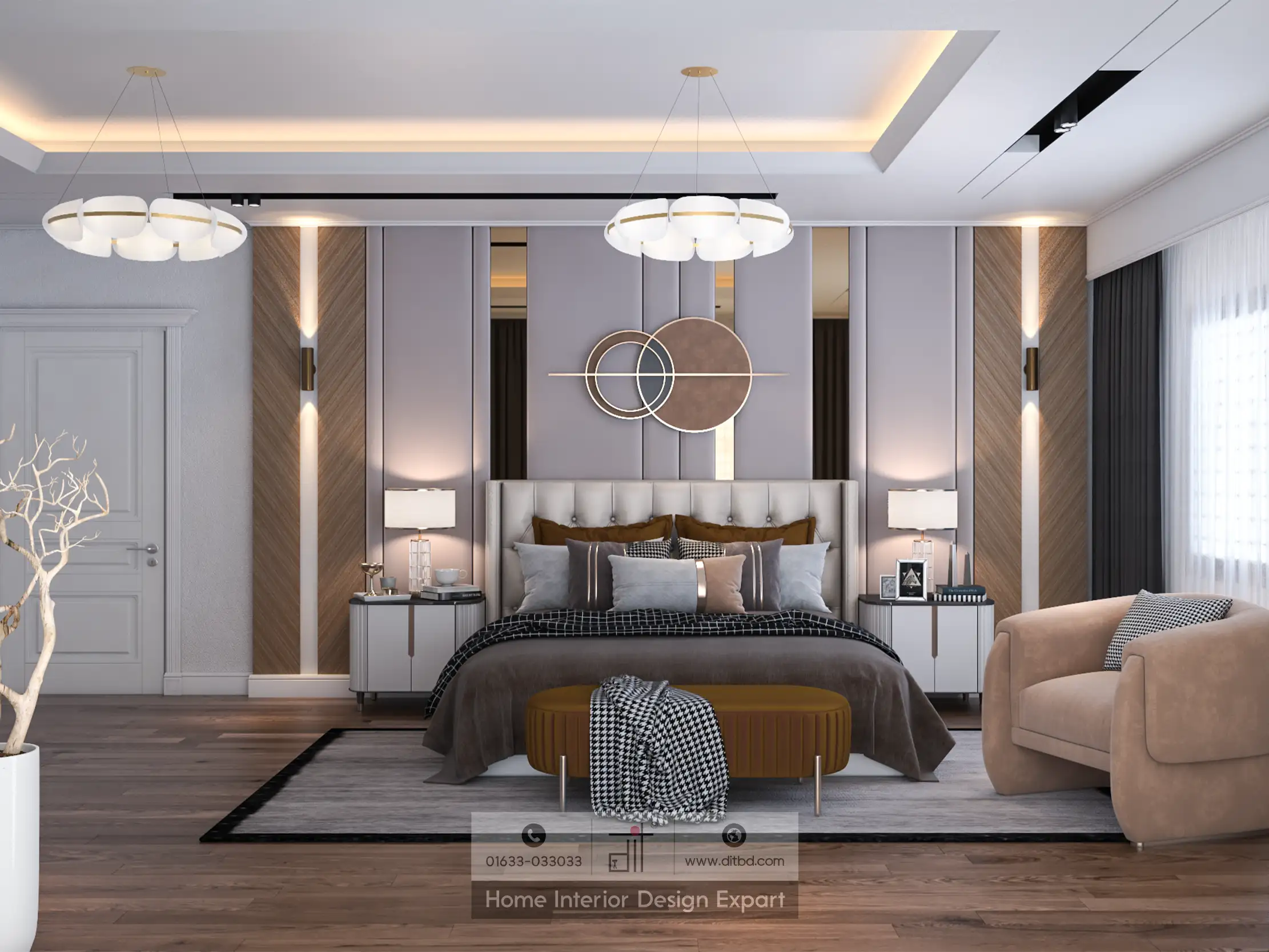
3D interior design in Bangladesh has moved far beyond visual luxury. For homeowners preparing to renovate a Dhaka apartment, it can be the difference between confident, well-informed approval and costly, avoidable regret.
Interior work demands hundreds of decisions that words and flat drawings simply cannot communicate: wardrobe depth, ceiling height, wall paneling character, lighting mood, kitchen workflow, sofa scale, dining placement, and the delicate balance of color across an entire room. A 3D design lets you see those decisions rendered in context – before a single nail is driven or a tile is laid.
This is precisely why DIT Studio integrates detailed 3D visualization into every home interior project we undertake. With over a decade of experience transforming Dhaka homes and more than 500 happy clients, we have learned that the goal of a 3D rendering is never merely an attractive image. It is a tool that makes your future home easier to understand, easier to discuss, easier to revise, and ultimately far easier to execute without expensive surprises.
3D Design Is Not Just A Pretty Preview
Many homeowners assume 3D design exists for presentation – a polished image to generate excitement. In practice, it is one of the most powerful planning instruments a design team can place in your hands.
A well-constructed 3D rendering answers the questions that matter most before construction begins: Will this room feel too crowded once the furniture arrives? Are the proportions of that custom wardrobe truly right for the space? Does the ceiling design harmonize with the room’s actual height, or will it feel oppressive? Will the wall color you love on a paint chip still sing when it surrounds you? Is there sufficient, well-placed light – and does the kitchen layout genuinely support how your family cooks every day?
Each of these questions is straightforward to resolve at the design stage. Each becomes expensive and disruptive to fix once carpentry has begun or materials have been purchased. That is the quiet, practical power of 3D design – it shifts problem-solving to the moment when solutions cost time rather than money.
Dhaka Apartments Need Careful Space Decisions
Dhaka apartments present a distinctive design challenge. Fixed beams, structural columns, immovable window positions, compact bedrooms, narrow kitchen galleries, and shared living-dining zones are the everyday reality for most homeowners in this city. None of that makes beautiful interiors impossible – but it does mean every design decision must be precise, because there is little margin for error.
A sofa even slightly too deep can strangle circulation through a living room. A bed scaled for a larger space can make a bedroom feel like a corridor. A heavy false ceiling, however beautifully detailed, can crush the sense of height in a room that already sits low. A TV cabinet designed without careful planning creates visual clutter that no amount of decoration can fully resolve. A kitchen lacking meticulous storage planning will feel perpetually chaotic regardless of how premium its finish is. Bangladesh’s climate adds further layers of complexity – heat, humidity, and pervasive dust demand materials and layouts that are not only attractive but genuinely functional and easy to maintain over time.
3D design gives you the ability to see these potential problems clearly before committing to execution, which is why we treat it as essential planning, not optional polish.
It Helps Families Make Decisions Together
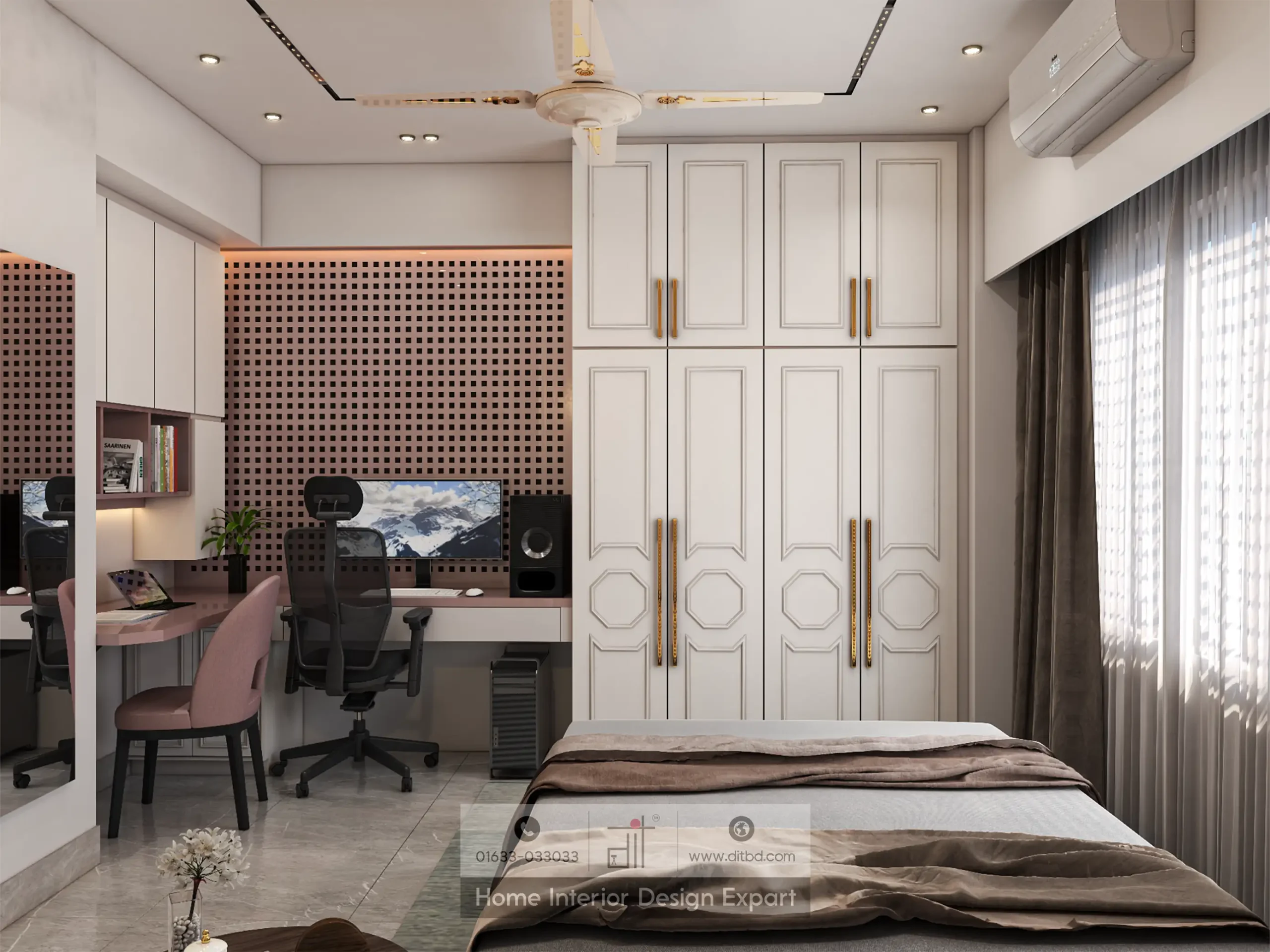
Home interiors in Bangladesh are rarely a solo decision. Spouses, parents, siblings, and children all carry opinions, preferences, and emotional investments in how the family home should feel. Without a shared visual reference, those conversations can become frustrating and circular – because each person is imagining something entirely different.
A 3D rendering creates common ground. When your family gathers around the same visual of a proposed bedroom or living area, discussions become grounded and productive. Color choices, furniture arrangements, lighting moods, storage solutions, wall treatments, kitchen layouts, and decorative details can all be evaluated together against an image that represents a real proposal rather than an abstract idea. This shifts feedback from the vague – “I’m not sure I like this room” – to the specific and actionable: “The wardrobe finish feels too dark for this space” or “I’d like the dining pendant to read warmer.” That precision saves time, reduces friction, and produces a result that genuinely feels like your shared vision rather than a compromise.
It Reduces Site Changes
Changes made during execution carry a cost that most homeowners underestimate until they experience it firsthand. Once materials have been procured, carpentry has been framed, or tiling has begun, every revision becomes logistically complex and financially painful.
Careful 3D planning dramatically reduces the most common sources of costly on-site changes. Mismatched finishes that only reveal themselves when materials meet in the real space, wall panel proportions that felt right on paper but read awkwardly in three dimensions, lighting positions that cast shadow where warmth was intended, kitchen cabinet arrangements that obstruct workflow, furniture selections that overwhelm a room – all of these are identifiable and correctable at the design stage. The rendering does not eliminate every challenge a complex renovation might encounter, but it gives the entire project a far clearer and more stable foundation, one that your design team, carpenters, engineers, and family members can all work from with confidence.
It Connects Design With Budget
A 3D rendering that exists independently of cost reality is not truly useful – it is aspirational theatre. The moment a homeowner falls in love with a beautifully rendered marble island, custom lighting installation, or full-height wall paneling system, the cost of delivering that vision must be transparent and understood.
This is why 3D design and honest cost breakdowns must work in tandem. A striking visual without financial clarity creates excitement that curdles into disappointment. A detailed cost estimate without visual clarity creates confusion about what is actually being purchased. At DIT Studio, our process connects visual design with transparent, itemized costing so that when you approve a design, you are approving both its aesthetic direction and its financial reality with equal confidence. That alignment is central to the trust we have built with over 500 clients across Dhaka over the past decade.
What To Review In A 3D Presentation
When a design team presents a 3D rendering, the instinct is to ask whether the image feels beautiful. That is a reasonable response – but it is only the beginning of a thorough review. Approach the presentation as the homeowner who will live in that space, not as an audience for a visual performance.
Walk through the rendering with practical questions in mind. Is there genuine, comfortable movement space around every piece of furniture? Can every wardrobe door and cabinet drawer open fully without obstruction? Where is the light coming from, and will those positions serve you well at different times of day and night? Does the kitchen layout support the actual flow of how your household cooks and moves? Do the material combinations – flooring, wall treatment, cabinetry finish, ceiling detail – feel harmonious together rather than individually impressive? Are curtain and window treatments serving both light control and privacy? Is there sufficient storage capacity for real life, not just a styled presentation? Have electrical outlets, switch positions, and practical maintenance requirements been thoughtfully considered?
Ask your design team to explain how each visible choice will be realised in the actual space. A confident, experienced studio welcomes that conversation.
2D Drawings And 3D Renderings Should Work Together
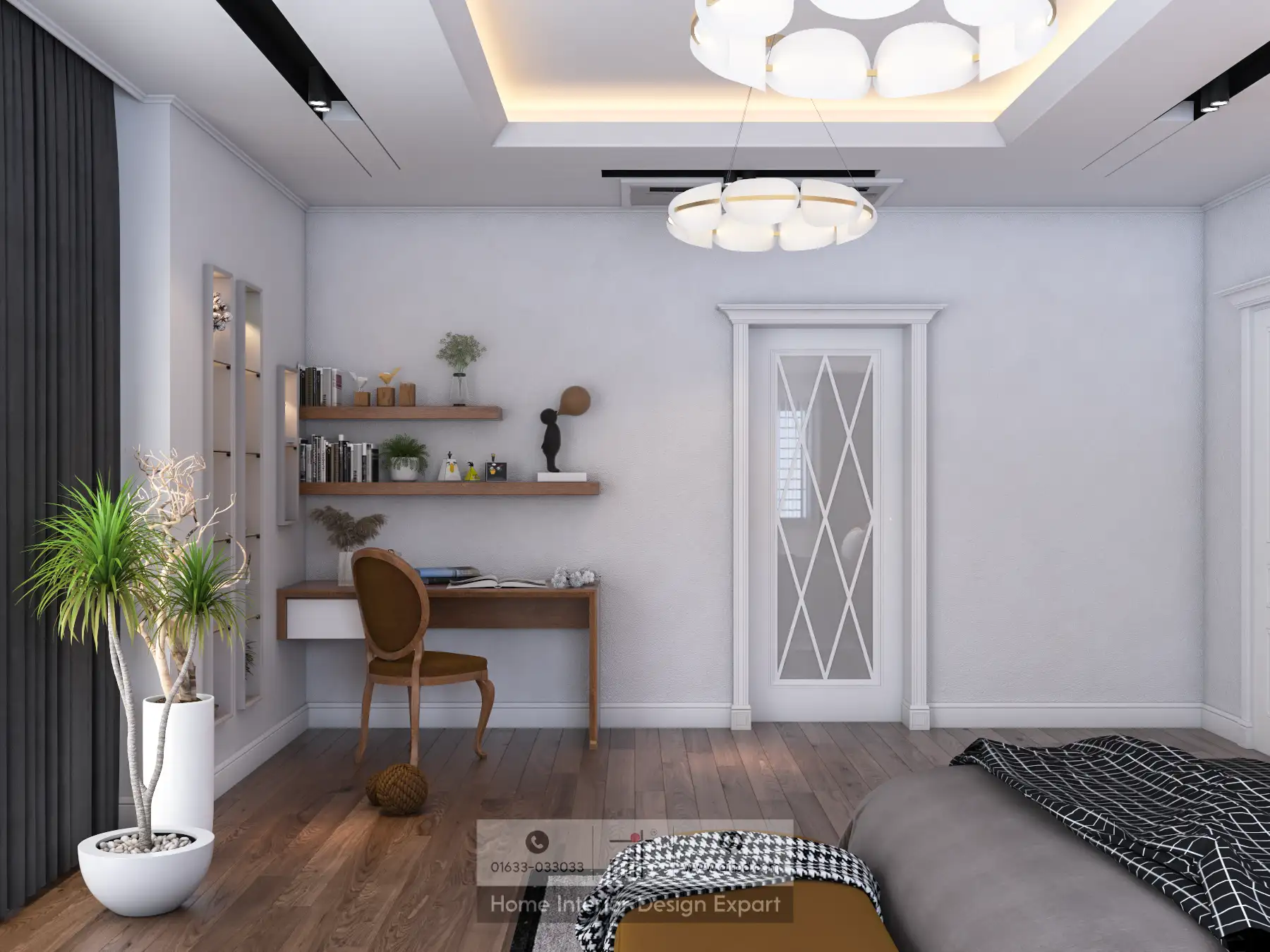
A 3D rendering conveys the emotional and aesthetic character of a space with extraordinary power. But it cannot stand alone as the basis for execution. A serious interior project also requires precise technical drawings – because the rendering shows what a room should feel like, while the drawings tell your carpenters, electricians, and contractors exactly how to build it.
A beautifully rendered TV wall tells you whether the design is right; the elevation drawing communicates panel dimensions, cabinet heights, lighting placement, and electrical point positions to the team who will construct it. An elegant kitchen rendering communicates the vision; the working plan communicates appliance placement, counter depth, storage zone allocation, and ventilation provision. Homeowners do not need to interpret technical drawings the way architects do, but you should know that they exist and are being used. If a design company presents compelling images but becomes vague or evasive when you ask about measurements, material specifications, or execution methodology, treat that as a meaningful warning signal.
At DIT Studio, our process encompasses detailed floor plans, elevations, and 3D renderings produced together. That combination matters because it is the bridge between imagination and buildability – between a vision you fall in love with and a home you actually live in.
Common 3D Design Mistakes To Watch For
Not every 3D rendering is a reliable planning tool. Some are visually compelling precisely because they have been styled to impress rather than crafted to inform. Knowing what to look for protects you from being dazzled by an image that does not honestly represent what your home will become.
Watch for furniture that reads smaller in the rendering than it will in reality, creating the illusion of more space than actually exists. Be cautious of dramatic lighting effects that look spectacular on screen but are impractical or impossible to achieve within a real budget and real ceiling height. Scrutinise whether cabinet doors can realistically open in the space shown, and whether switch and socket positions have been considered at all. Question materials that appear in the rendering but are not actually available through local suppliers at the projected budget. Be wary of overly glossy finishes that will require intensive maintenance in Dhaka’s dust and humidity, and kitchens presented without any visible provision for ventilation. Most importantly, ask your designer directly: do the dimensions in this rendering reflect real measurements, and are the specified materials genuinely available? A design team that has done its work will answer that question with ease and specificity.
Use 3D Views To Compare Options
One of the most underutilised advantages of 3D design is its power to support meaningful comparison before commitment. Rather than choosing between two wardrobe finishes based on physical samples held under artificial light, you can evaluate them in the context of your actual room, alongside your actual flooring and wall color. Rather than debating two lighting moods in the abstract, you can see both rendered against the same space and make a genuinely informed choice.
This is especially valuable in homes where multiple family members are invested in the outcome. A good studio does not manufacture endless variations to generate the appearance of thoroughness – but it does deploy visual comparison strategically, at the decision points where clarity matters most. For us at DIT Studio, this reflects the collaborative spirit that has defined our work since 2015: you see the direction, you give informed feedback, and you approve a design that feels genuinely right before the first phase of execution begins.
Example: Fixing A Bedroom Before Execution
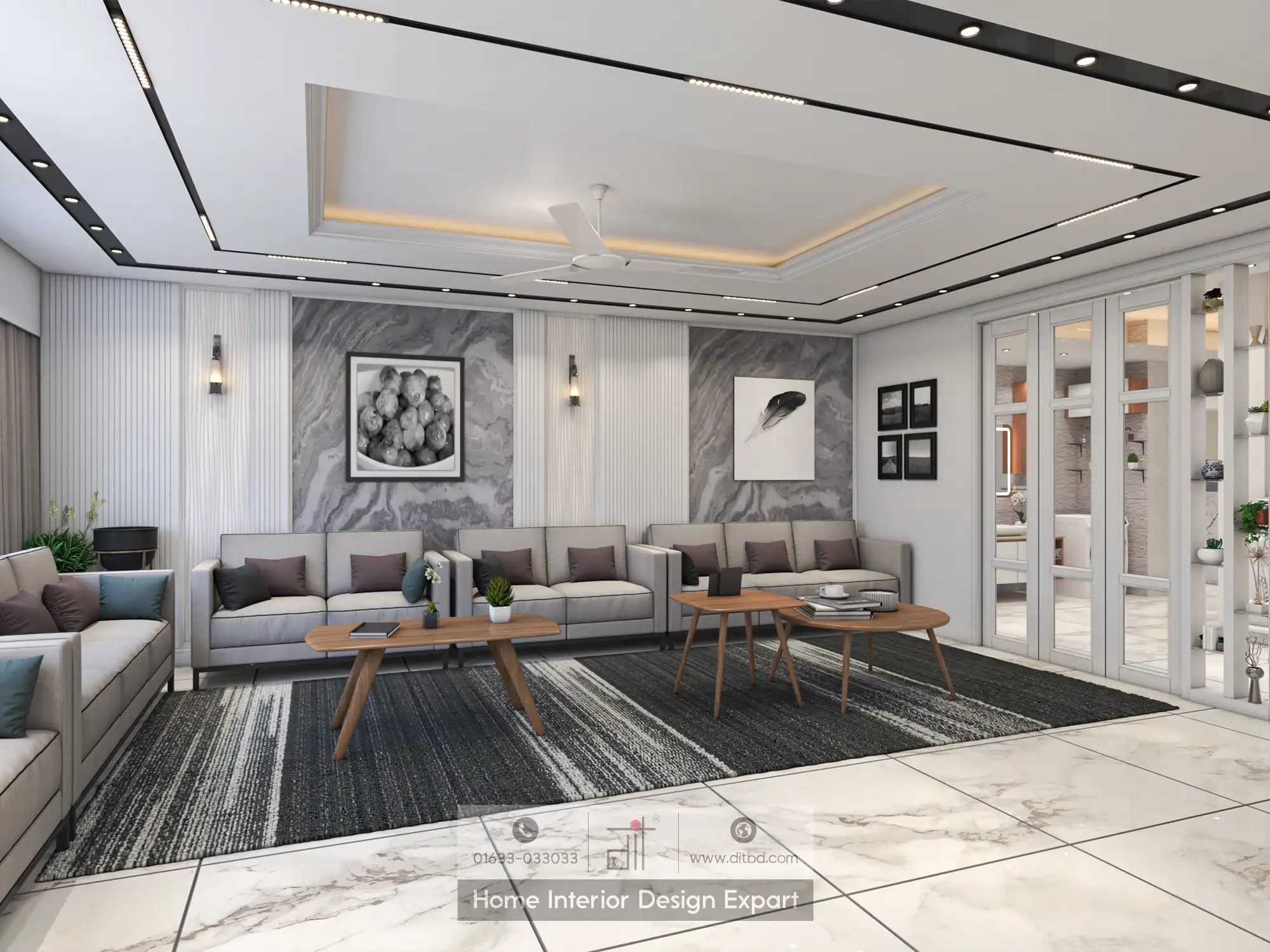
Consider a bedroom where an initial 3D rendering presents a large bed, full-height wardrobe, dressing table, bedside tables, textured wall paneling, and a compact study corner. The rendering looks complete and considered – but it also reveals, with clarity that a floor plan cannot provide, that the circulation corridor between the bed and the wardrobe is genuinely too narrow for comfortable daily use.
At the design stage, the solutions are straightforward: reduce the bedside table profile, adjust the wardrobe depth by ten centimetres, specify sliding rather than hinged shutters, or reposition the study corner to open the passage. These are revisions that take hours to execute on screen. Made after carpentry has been framed and installed, they become expensive, time-consuming, and often imperfect repairs.
This is the quiet, consistent value that 3D design delivers. It surfaces the constraints and conflicts that flat drawings and verbal descriptions cannot reveal – and it surfaces them at the only moment when addressing them is genuinely easy.
Questions To Ask About 3D Design
Before approving a 3D interior design, ask your design team these questions directly and listen carefully to how they respond. Are the room measurements in the rendering accurate to the actual space? Are the furniture dimensions realistic rather than scaled for visual appeal? Are every specified material and finish genuinely available within the stated budget? Does the visual design align precisely with the cost estimate you have received? Can you request revisions, and what does that process look like? Will you receive technical drawings to accompany the 3D views for execution? How will lighting design and electrical point placement be handled in the final build? And who is responsible for verifying that the design is being faithfully followed on site?
3D interior design helps homeowners make better decisions before construction begins. In a Dhaka apartment, small changes in furniture depth, cabinet placement, lighting, or ceiling design can affect comfort, circulation, and storage. Bangladesh’s climate – heat, humidity, and dust – adds further demands on material and layout choices. A 3D rendering allows the client to see the proposed room, understand color and material combinations, and request revisions before money is spent on site work.
DIT Studio, founded in 2015 with 500+ completed projects across Dhaka, uses visual planning as a core part of its design process because it reduces uncertainty and makes the project easier to discuss with designers, engineers, carpenters, and family members. For homeowners, the benefit extends beyond a clearer preview: it delivers real control. A precise 3D plan prevents mismatched finishes, awkward furniture scale, poor lighting decisions, and costly rework during execution.
Final Thought
3D design does not replace expertise. It reveals it. A design studio that truly knows its craft uses visualization to make your project clearer, more honest, and more executable – not to conceal weak planning behind compelling images.
For homeowners preparing to transform a Dhaka apartment, the right question to ask is not simply “Can you produce a 3D design?” It is: “Will this 3D design help me genuinely understand the real decisions I am making – before execution begins?”
Business Location Map & Profile Link
Visit the original website: DIT Studio
Open the map: DIT Studio Google Business Profile