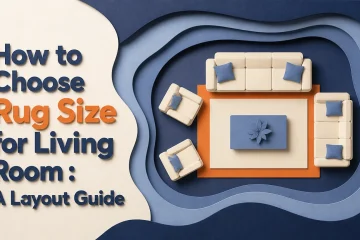
To choose a rug size for a living room in the USA, measure the complete seating arrangement first, then select the smallest standard rug that places at least the sofa’s front legs on the rug and leaves about 12-18 inches of visible floor near major walls. For most average living […]
Room Decor
How to Decorate a Coffee Table for Everyday Living
How to decorate a coffee table is a process of arranging useful and decorative objects into a balanced composition that leaves enough room for daily use. Start with a tray or other anchor, add one tall element, layer a lower object such as books, vary texture and shape, then remove […]
How to Decorate Above a Fireplace Without Clutter
To decorate above a fireplace, choose one properly scaled focal point, position it within a safe and connected height range, then build a restrained arrangement with varied texture and height. The most reliable layout uses an anchor that spans about 60%-70% of the mantel width, two or four supporting pieces, […]
How to Decorate Walls Without Pictures: 12 Ideas That Work
To decorate walls without pictures, use the wall’s color, texture, depth, pattern, lighting, or function as the visual feature. The most reliable choices are limewash, painted molding, slatted panels, floating shelves, textiles, mirrors, sconces, and plants. Select the treatment according to room size, wall condition, budget, rental restrictions, and maintenance […]
How to Decorate a Large Blank Wall Without Guesswork
To decorate a large blank wall, first measure the usable surface, choose a display that fills roughly 60%-75% of its visual area, and center the composition around the room’s seating or furniture. Test the arrangement with paper templates for 24 hours, then install art, shelving, paneling, wallpaper, or textiles at […]
How to Decorate a Wall Behind a Sofa Without Guesswork
To decorate a wall behind a sofa, choose one visual anchor, size the arrangement to roughly 60%-75% of the sofa’s width, and place its lowest point 6-10 inches above the backrest. Test the layout with paper templates, use hardware rated for the load and wall type, then adjust lighting and […]
How to Decorate a Bedroom: A Practical Seven-Step Plan
To decorate a bedroom successfully, measure the room, position the bed, choose a controlled color palette, prepare the walls, add appropriately scaled furniture, layer textiles, and finish with flexible lighting and personal objects. A typical refresh takes 2-3 days and costs $300-$1,000, while the layout determines whether the finished room […]
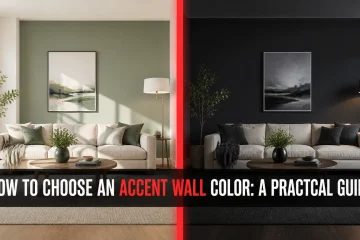
How to Choose an Accent Wall Color: A Practical Guide
To choose an accent wall color, select the room’s strongest architectural or functional focal point, then match the color’s undertone, lightness, saturation, and finish to the room’s lighting and furnishings. Test large samples on the actual wall for at least one full day before buying paint, wallpaper, or paneling. Key […]
How to Mix Wood Tones in a Room: 7 Practical Steps
Mixing wood tones in a room means deliberately combining different wood colors, species, stains, grains, or ages so the space feels layered and coordinated. Start with the room’s largest wood surface, match or manage undertones, create visible value contrast, repeat each accent, and use textiles to connect the differences. Key […]
Wood Blinds vs Faux Wood Blinds: Which One Should You Buy?
Wood blinds win for large, frequently operated windows and high-end interiors. Faux wood blinds win for kitchens, bathrooms, rentals, and budget projects because they cost less and tolerate moisture better. The deciding factors are window width, humidity, appearance, operating frequency, and total installed cost, not the label alone. Quick Verdict […]